Spring
Winter cover recedes, the canopy returns to green, and the growing year begins again.
Survive a world that keeps changing.
A real landmass built from 50 cm micro-voxels, its size chosen when you create the world and bounded by ocean rather than an endless procedural treadmill. Fell trees, divert water, read the weather, and grow food before winter closes in. You begin with nothing but the landscape, the wildlife, and what you can make with your own hands.
Every world is finite by design. Its size is fixed the moment you create it, anywhere from a small island to a landmass well over a hundred kilometres across, and natural ocean marks where it ends rather than a wall or a loading screen. A place with real edges is a place worth learning, crossing, defending, and eventually calling home.
Every size is square and ocean-bounded, generated once from your world's seed — the same island, in the same place, for as long as that save exists.
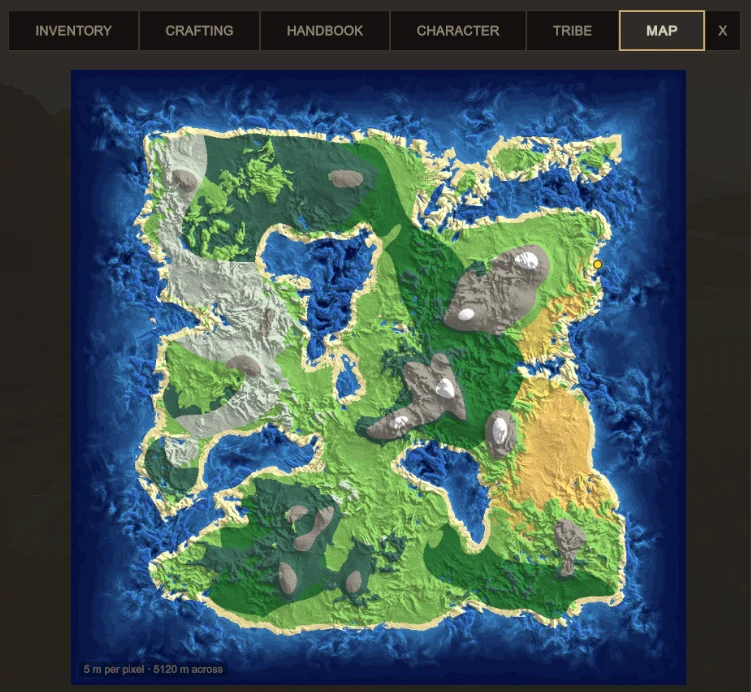
The in-game map: generated from the world itself, pannable and zoomable, with your position always marked on it.
The calendar isn't just a colour filter. Weather actually changes the land, what grows depends on that, and every season leaves you prepping for the next one.
Winter cover recedes, the canopy returns to green, and the growing year begins again.
Plant, water, and build a food reserve while the warm season keeps the land productive.
Deciduous trees turn at different times as the last reliable harvests warn that winter is close.
Rain becomes wind-driven snow. Cover builds on exposed ground and foliage, most crops stop growing, and frost kills anything still standing in the field.
Farming isn't a separate system bolted onto survival, it grows straight out of it. The rain that chills you standing out in the open is the same rain watering your field, and the winter that shuts the valley down is what stops your crops growing too.
Twelve sown crops make up the First Age farming roster. Each one only grows in its season, and winter frost kills everything still in the field except evergreen holly — which is poisonous.
Sky-exposed farmland drinks from passing weather.
A river or pond can passively irrigate a close plot.
Fire clay into a vessel and carry water where the land is dry.
Keep a wild bush for renewable berries, or destroy it for a chance at species-specific seeds.
Work dirt or grass into farmland with a stone hoe, then sow a seed into the prepared ground.
Rain, nearby water, and a fired-clay watering can all feed the same farmland moisture.
Crops climb through visible stages in season. Berry and leafy plants keep producing; roots, grain and gourds come up in one pull. Leave them standing into winter and frost will take them.
Growth only advances in the seasons marked below. Out of season a crop pauses; once winter frost sets in, every plant except poisonous holly withers where it stands.
| Crop | Spring | Summer | Autumn | Winter | Frost |
|---|---|---|---|---|---|
 Blueberry Crop Blueberry Crop | Idle | Grows | Idle | Idle | Dies at -2°C |
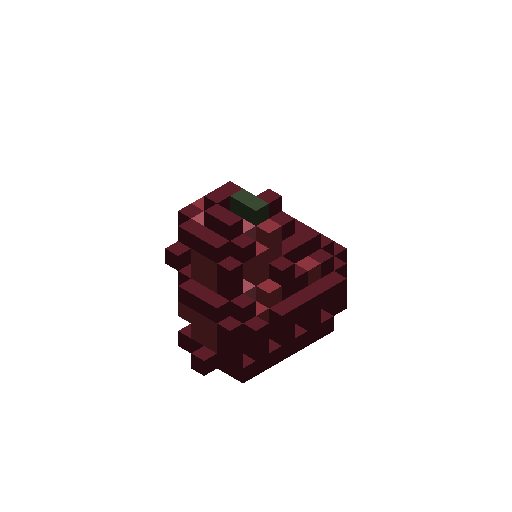 Raspberry Crop Raspberry Crop | Idle | Grows | Idle | Idle | Dies at -2°C |
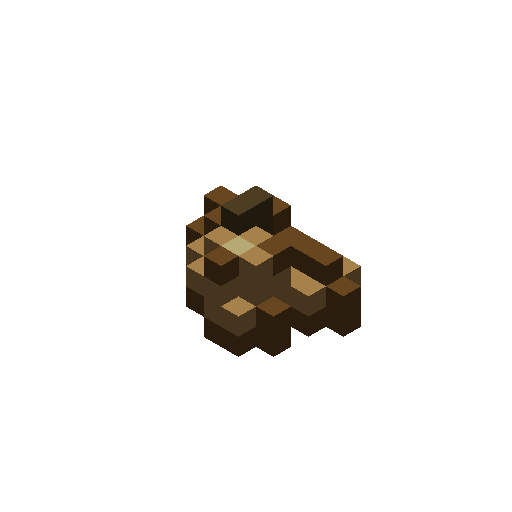 Carrot Crop Carrot Crop | Grows | Grows | Idle | Idle | Dies at -2°C |
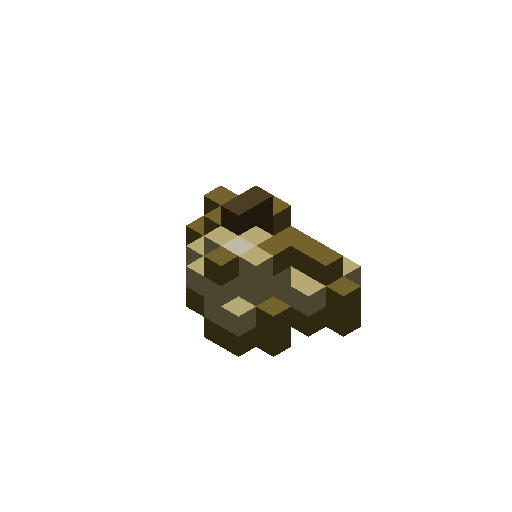 Emmer Wheat Emmer Wheat | Grows | Grows | Idle | Idle | Dies at -2°C |
 Onion Crop Onion Crop | Grows | Grows | Idle | Idle | Dies at -2°C |
 Cranberry Crop Cranberry Crop | Idle | Idle | Grows | Idle | Dies at -2°C |
 Elderberry Crop Elderberry Crop | Idle | Idle | Grows | Idle | Dies at -2°C |
 Cabbage Crop Cabbage Crop | Grows | Idle | Grows | Idle | Dies at -5°C |
 Turnip Crop Turnip Crop | Grows | Idle | Grows | Idle | Dies at -5°C |
 Blackberry Crop Blackberry Crop | Idle | Grows | Grows | Idle | Dies at -2°C |
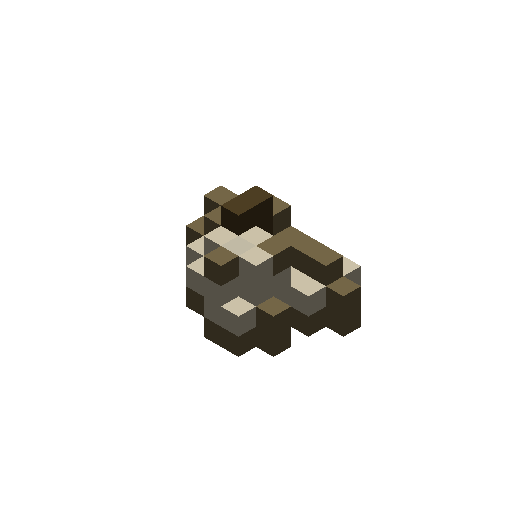 Pumpkin Crop Pumpkin Crop | Idle | Grows | Grows | Idle | Dies at -2°C |
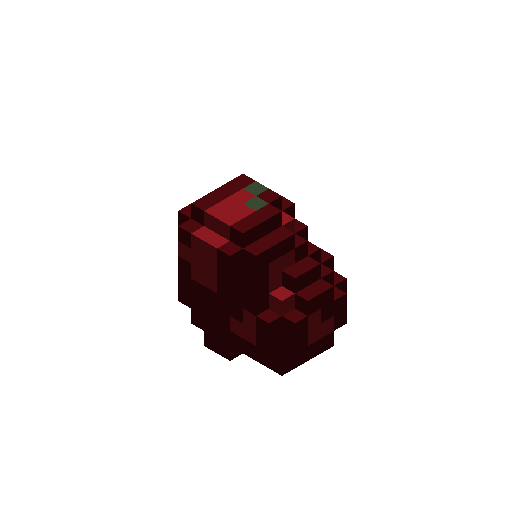 Holly CropPoisonous Holly CropPoisonous | Grows | Grows | Grows | Grows | Survives winter |
The world runs on interacting systems, not scripted set dressing. Your choices actually leave marks on it, and sometimes that means watching something you built come down.
Cut through a trunk and the whole tree gives way, leaving grounded wood to recover.
Break into the edge of a pool and water moves into the space you exposed.
Shelter is built from ordinary world blocks. Remove the wrong support and the structure collapses.
Rain and wind build up wetness and cold if you're stuck outside. A solid roof is what actually keeps the weather off you.
Pick up your first stick and stone.
Strike stone into blades, axes and points.
Warmth, light, and a way to cook what you gather.
Forage the wild and read the movement of prehistoric animals.
Raise mud and wood walls before night and cold set in.
Till, sow, harvest, and build a reserve for winter.
There's no experience bar and no skill tree. Three physical traits build up from what you actually do and eat, and fall off if you stop, and between them they set how much you can push yourself and how much punishment you can take.
Grows from sustained, genuine physical effort. It raises how hard you can push before you're spent.
Builds from good nutrition and time spent healthy. It sets how much your body can absorb.
Tracks what you've actually been eating over time. Only neglect moves it — death never touches it.
Die, and a share of the strength and toughness you've earned above a fresh spawn gets knocked back, never all of it, and never your weight. A long-lived character has something real to lose, and a real cost to earn it back, without a full wipe.
A life-history graph on your character sheet tracks the whole arc, death markers included.
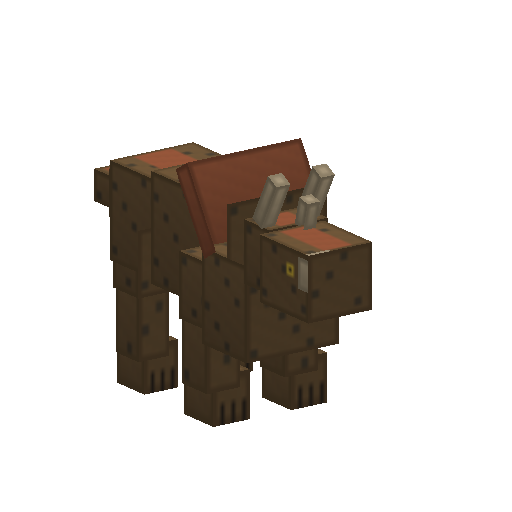
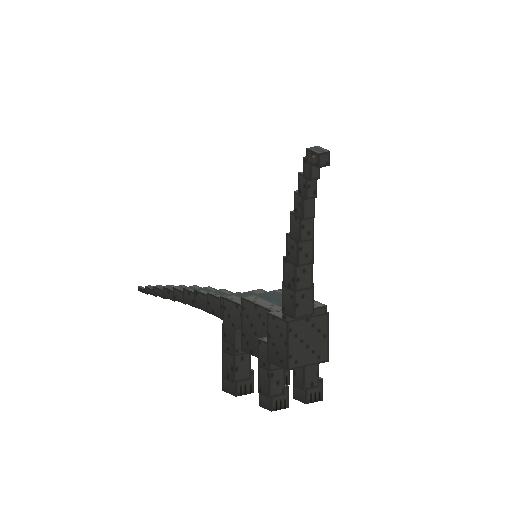
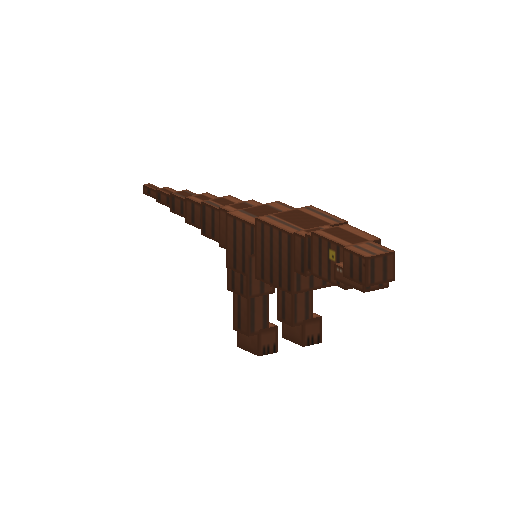
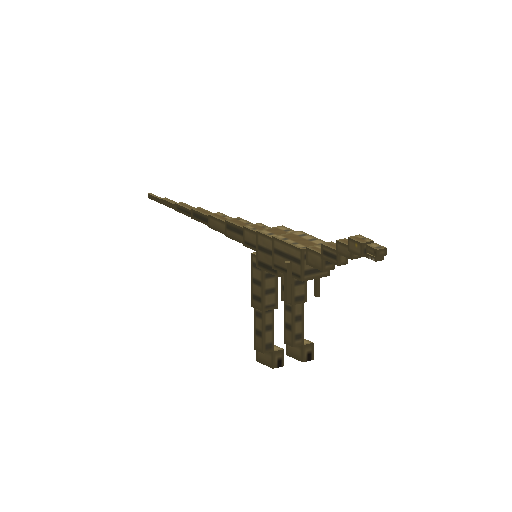
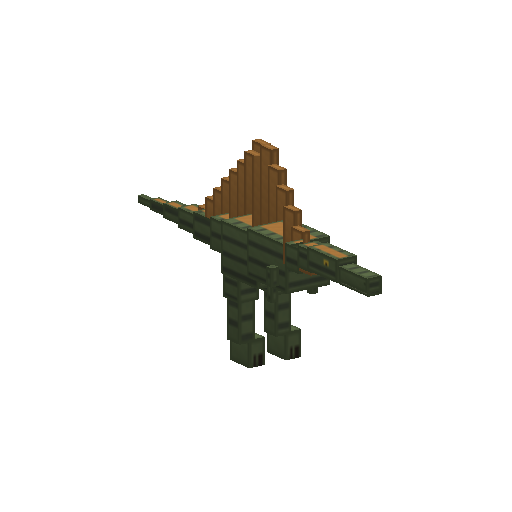
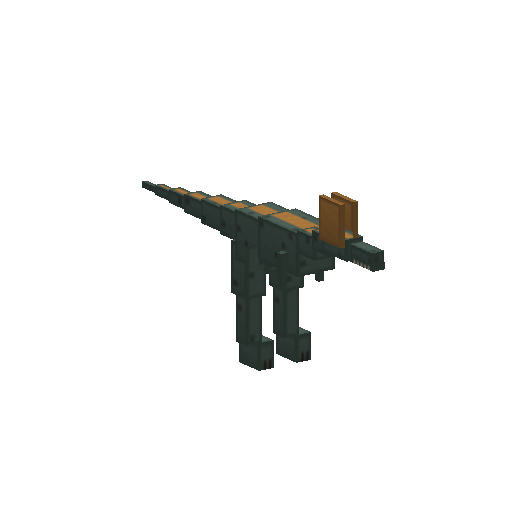
They're participants in the simulation, not background decoration. Herds and predators don't just circle their spawn point, each species has its own home range and actually moves through it, so a herd you passed an hour ago may be grazing the next valley by the time you come back. Herds flee together, packs share alarm, and every hunt is a real choice between coming away with meat and materials or ending up as someone else's meal. These renders are still in development, straight out of the game's creature prototype pipeline.

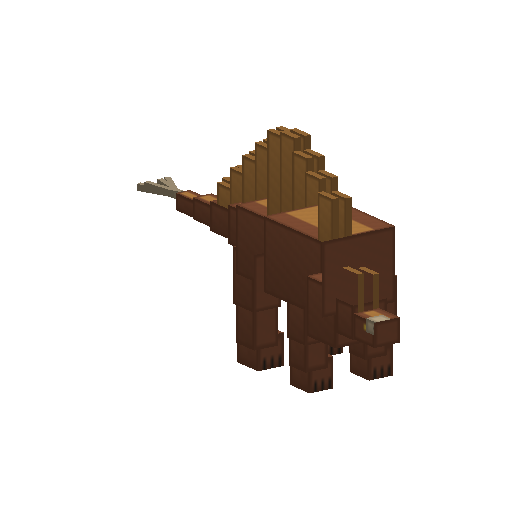
Evolve is a shared, persistent world from day one, you can play it alone, but it's built to be played with, and against, other people. A tribe's totem claims the surrounding land, and while it stands, only members of that tribe can build, break, or reshape anything inside its boundary.
Claimed land gives your tribe protected ground for shelter, stores, farms, and everything needed to endure the seasons together.
A valuable claim makes your totem a target. Rival players will test its borders, and wild dinosaurs are already stalking the world beyond them, so you'd better be ready to defend what's yours.
Progress is physical: knowledge, tools, shelter, and a home that exists in the world rather than on an upgrade screen.
Knap stone into working edges, then assemble the tools that unlock shelter, hunting, and cultivation.
A flame gives you warmth, light, cooked food, and fired clay, and it's really where everything else starts.
Animals herd, flee, hunt, share danger, and actually go somewhere. Approach a herd from the wrong direction and the whole group may react.
A deterministic landscape streams in around you inside real, ocean-bound edges, and preserves the home you carve into it.
Wishlist Evolve - First Age to get notified when Early Access begins. I'm still building in the open if you want to see how the world takes shape.